
Environmental Sustainability & Climate Action
01 Environmental Sustainability Strategy
Strengthening Environmental Governance and Advancing the Low-Carbon Transition
SynPower integrates environmental sustainability into operational management and risk assessment and continues to advance greenhouse gas inventories, energy efficiency, water resource management, waste management, and pollution prevention to reduce the environmental impact of its operations. In response to climate change, the net-zero transition, and sustainability requirements across the supply chain, the Company is also progressively incorporating climate risk, biodiversity, and natural capital into its annual sustainability initiatives and subsequent management practices.
02 Greenhouse Gas and Energy Management
Greenhouse Gas Inventory
ISO 14064-1:2018Total greenhouse gas emissions in 2025 were 147.38 tCO₂e, down from 864.93 tCO₂e in 2024. The Company continues to conduct organizational greenhouse gas inventories in accordance with ISO 14064-1:2018 and uses the annual inventory to identify major emission sources as a basis for subsequent carbon management and reduction planning.
- Continue annual greenhouse gas inventories in accordance with ISO 14064-1:2018 to identify major emission sources.
- Use the first full-year data from the new facility in 2026 as the new baseline and progressively establish carbon management and emission-reduction indicators.
2025 Emissions Breakdown Expand
Note: The significant decrease in emissions from 2024 to 2025 was primarily related to the inventory treatment of certain refrigerant stocks in 2024. These refrigerants were not replenished in 2025 and were therefore not quantified again to avoid double counting. The decrease should not be interpreted as an equivalent level of operational carbon reduction.
Energy and Renewable Energy Management
2026 Implementation ProgressNon-renewable energy consumption in 2025 was 622.8137 GJ, approximately 1.25% lower than 630.7120 GJ in 2024. The Company continues to improve energy efficiency through energy management, equipment upgrades, and energy-saving design at its new operating facility while progressively introducing renewable energy.
- Non-renewable energy consumption in 2025 decreased by approximately 1.25% compared with 2024.
- Continue monitoring equipment efficiency and renewable energy implementation to improve overall energy performance.
Renewable Energy Progress Expand
The rooftop solar power system at the Taoyuan Operations Headquarters completed meter installation and officially commenced operation on July 14, 2026, with an installed capacity of 284.2 kWp. The renewable energy usage ratio for 2026 will be disclosed based on actual system operation and energy consumption. The Company will continue to monitor actual electricity generation, self-consumption, and carbon-reduction benefits.
Note: The solar power system officially commenced operation in 2026. The renewable energy usage ratio will be disclosed subsequently based on actual electricity generation and energy consumption.
03 Water Resource and Waste Management
Water Resource Management
The Company continues to improve water-use efficiency through water-saving equipment, water management, and daily awareness initiatives. Total water consumption in 2025 was 1,401 m³, approximately 14.2% lower than 1,632 m³ in 2024. Water consumption per capita decreased from 14.6 m³/person/year to 11.8 m³/person/year, representing a 19% reduction.
- Continue reviewing the use and performance of water-saving equipment and rainwater harvesting facilities.
- Establish a full-year water-use baseline for the new facility and track subsequent improvement performance.
Waste Management
Total waste in 2025 increased slightly by approximately 1.1% compared with 2024, while waste per capita decreased from 55.4 kg to 53.1 kg per person per year. In 2025, 100% of the Company's waste was non-hazardous. The Company continues to improve resource circularity through waste sorting, recycling, compliant disposal, and source-reduction measures.
- Promote digital office practices, centralized recycling, and plastic-reduction initiatives.
- Continue evaluating packaging reduction, recycling, reuse, and resource recovery opportunities.
Environmental Management Priorities and Reduction Directions
Greenhouse Gas and Energy
The Taoyuan Operations Headquarters incorporates LED lighting, variable-frequency chilled-water systems, and high-efficiency water circulation pumps, and has completed installation of a 284.2 kWp solar power system. The Company will use the first full-year data from the new facility in 2026 as the basis for future management and will continue to establish carbon-emission and energy-use indicators.
Water Resources
The Taoyuan Operations Headquarters incorporates water-saving sanitary fixtures, faucet water-saving devices, and a rainwater harvesting system, with recovered rainwater used for gardens and landscape irrigation. The Company will continue reviewing actual water-saving performance and work toward at least 1% annual water savings.
Waste and Resource Circularity
In 2025, 100% of the Company's waste was non-hazardous. General industrial waste totaling 6.22 metric tons was handled by qualified third-party contractors in accordance with applicable requirements. The Company also continues to promote recycling and reuse of cartons and wooden pallets.
Climate Adaptation and Pollution Prevention
Given the proximity of the Taoyuan Operations Headquarters to the Laojie River, extreme rainfall and flood risks were incorporated into site planning. The site was elevated by two meters, and flood barriers were installed outside the basement to strengthen climate resilience.
The Taoyuan Operations Headquarters was incorporated into the operational boundary on December 1, 2025. As operating locations, equipment, and the energy-use structure changed materially, 2026 will serve as the first full-year environmental performance baseline for the new facility. Future performance in energy, carbon emissions, water resources, and waste management will be tracked against this baseline.
04 Climate Governance and Risk Management
Governance
Through the Board of Directors, the Sustainable Development Committee, and the corporate sustainability management mechanism, the Company continues to monitor material climate- and environment-related issues.
Strategy
With reference to the TCFD framework, the Company monitors physical and transition risks arising from climate change and evaluates their potential impacts on operations and the supply chain.
Risk Management
Material climate risks are progressively incorporated into the Company's existing risk management processes and annual sustainability initiatives, while risk identification and management processes continue to be enhanced.
Metrics and Targets
The Company continues to track environmental indicators including greenhouse gas emissions, energy, water resources, and waste, and will use the first full-year operating data from the Taoyuan Operations Headquarters in 2026 as the basis for subsequent management.
05 Biodiversity and the Natural Environment
Biodiversity and Ecological Education
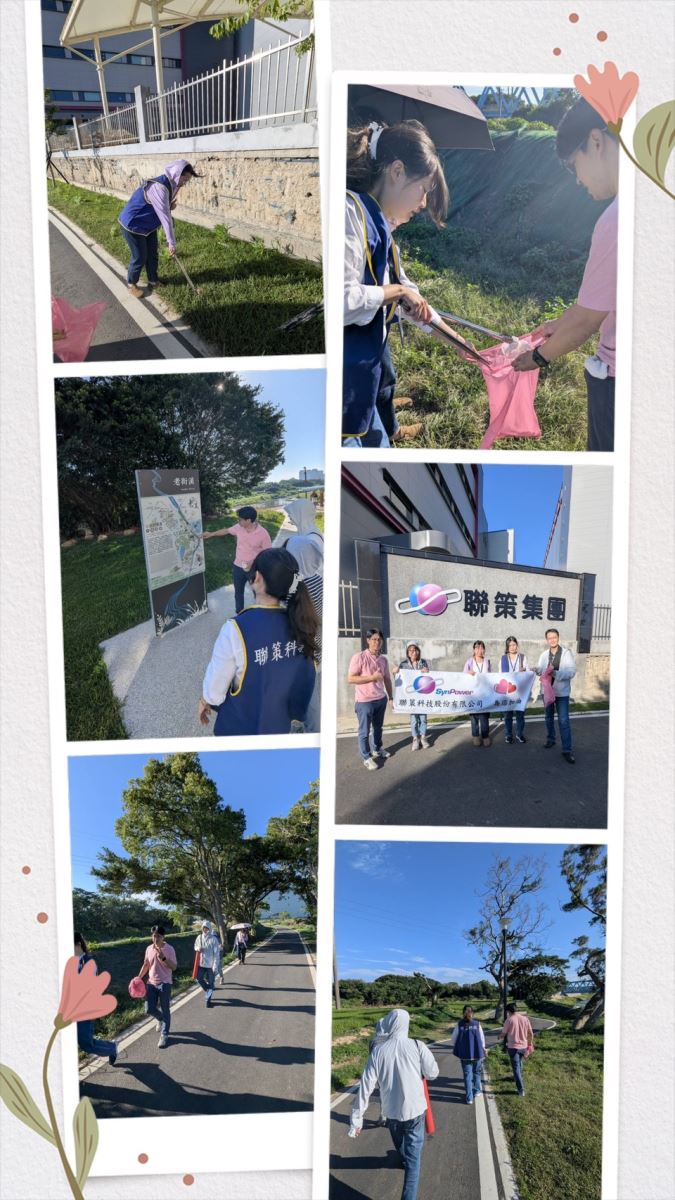
No specific biodiversity implementation results were recorded in 2025. Beginning in 2026, the Company incorporated local ecological education into its environmental sustainability initiatives. Through ecological education and guided activities along the Laojie River, employees are encouraged to develop a greater understanding of the local natural environment and ecological issues.
Natural Environment Management
Natural Carbon Sinks
The Company has included natural carbon sinks as an evaluation item for its 2026 sustainability initiatives and will assess appropriate forms of participation based on feasibility.
06 Green Action and Sustainable Investment
Local Environmental Action
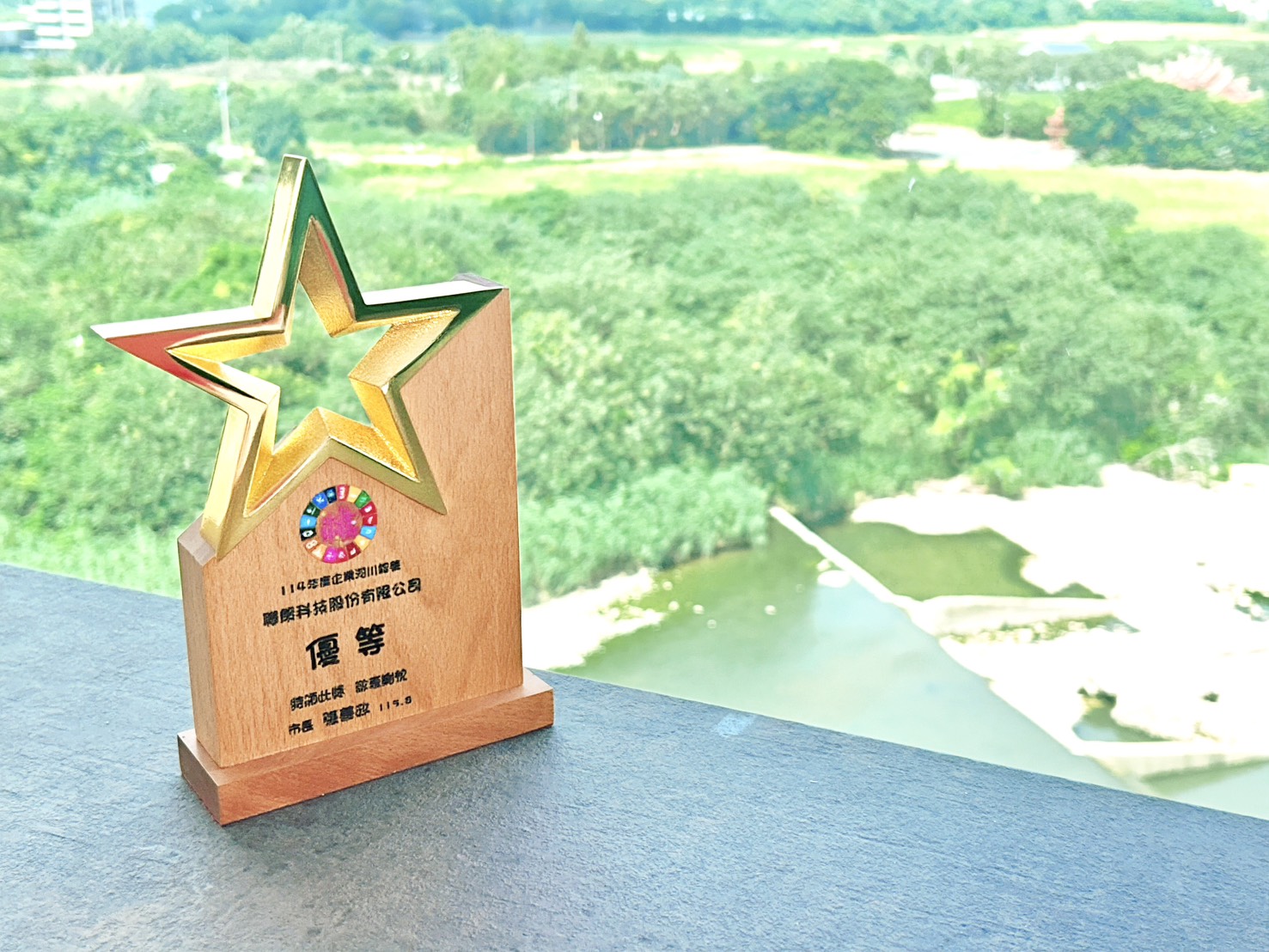
Beginning in 2026, the Company has continued to promote environmental initiatives related to the Laojie River, integrating employee participation, ecological education, and local engagement. SynPower will progressively broaden the scope of corporate environmental participation while continuing to evaluate opportunities for deeper involvement in environmental and nature conservation initiatives.
Sustainable Development Bond Investment
The Company incorporates sustainable finance instruments into its evaluation of future capital deployment and ESG practices and will continue to disclose relevant progress based on actual implementation.